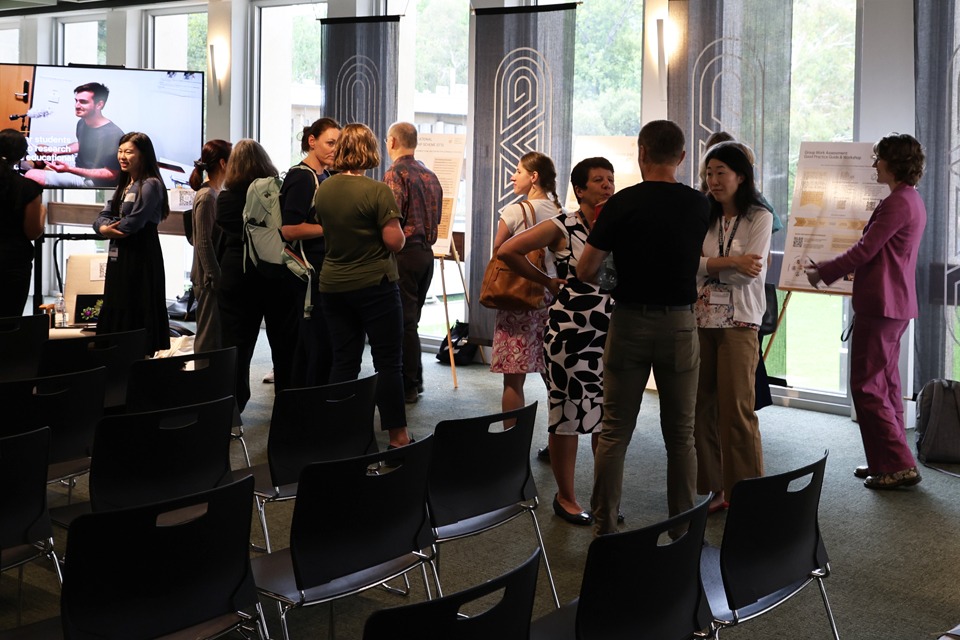
The McCusker Institute’s events in 2025 explored how education can respond to rapid technological, social, and economic change. Across conversations on generative AI, shared prosperity, storytelling, and lifelong learning, a common theme emerged: universities have a responsibility to develop graduates who think critically, act ethically, and engage creatively with complexity.
For ANU educators, the events reinforced the value of transdisciplinary learning—integrating ethical reasoning, systems thinking, diverse perspectives, and adaptability into curricula. By emphasising critical inquiry, creativity, and learning‑to‑learn skills, educators can prepare students not just for changing jobs and technologies, but to use their knowledge to contribute to a more just, inclusive, and sustainable society.
Below find the full recordings of each event, along with a summary for ANU Educators.
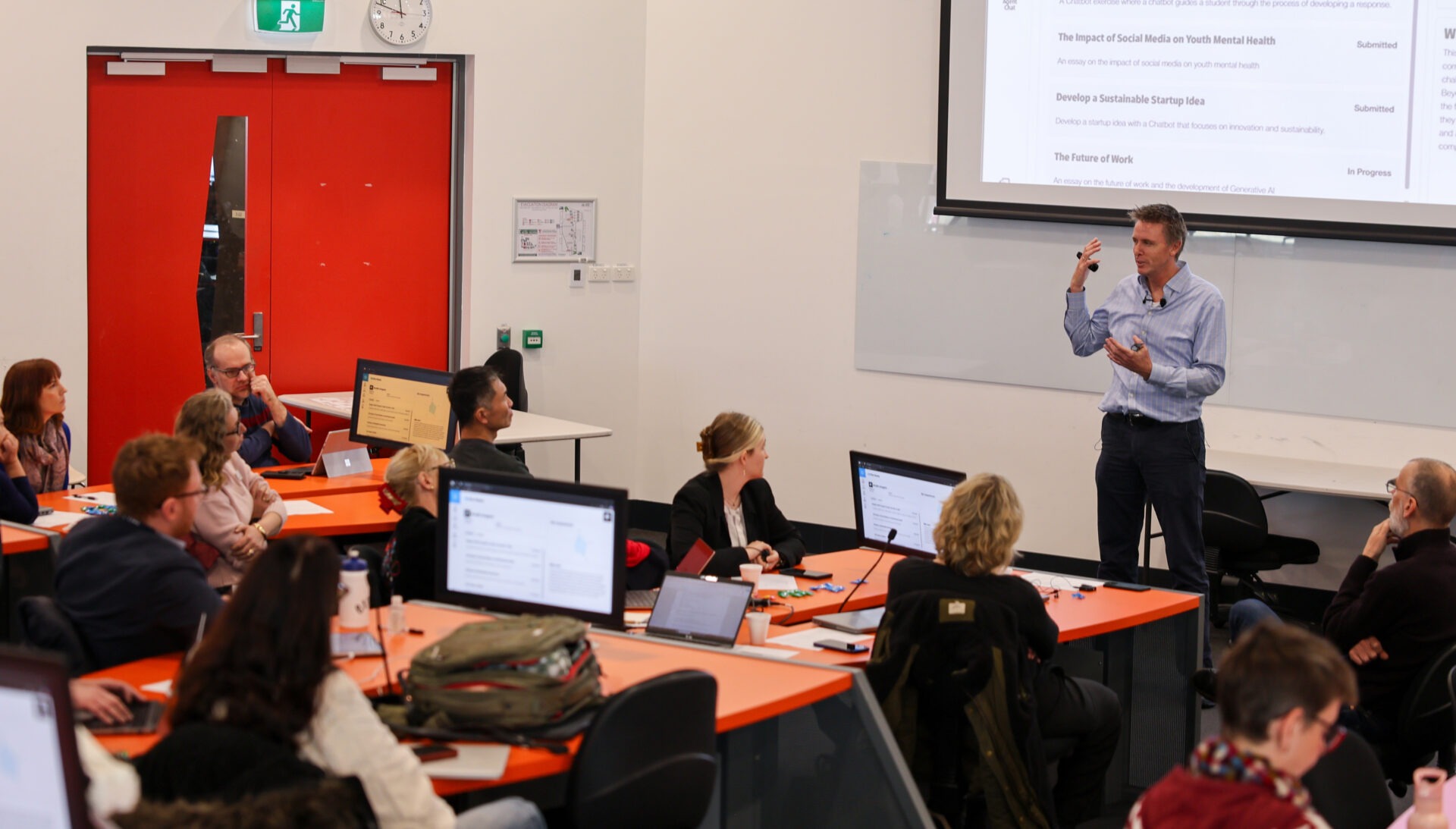
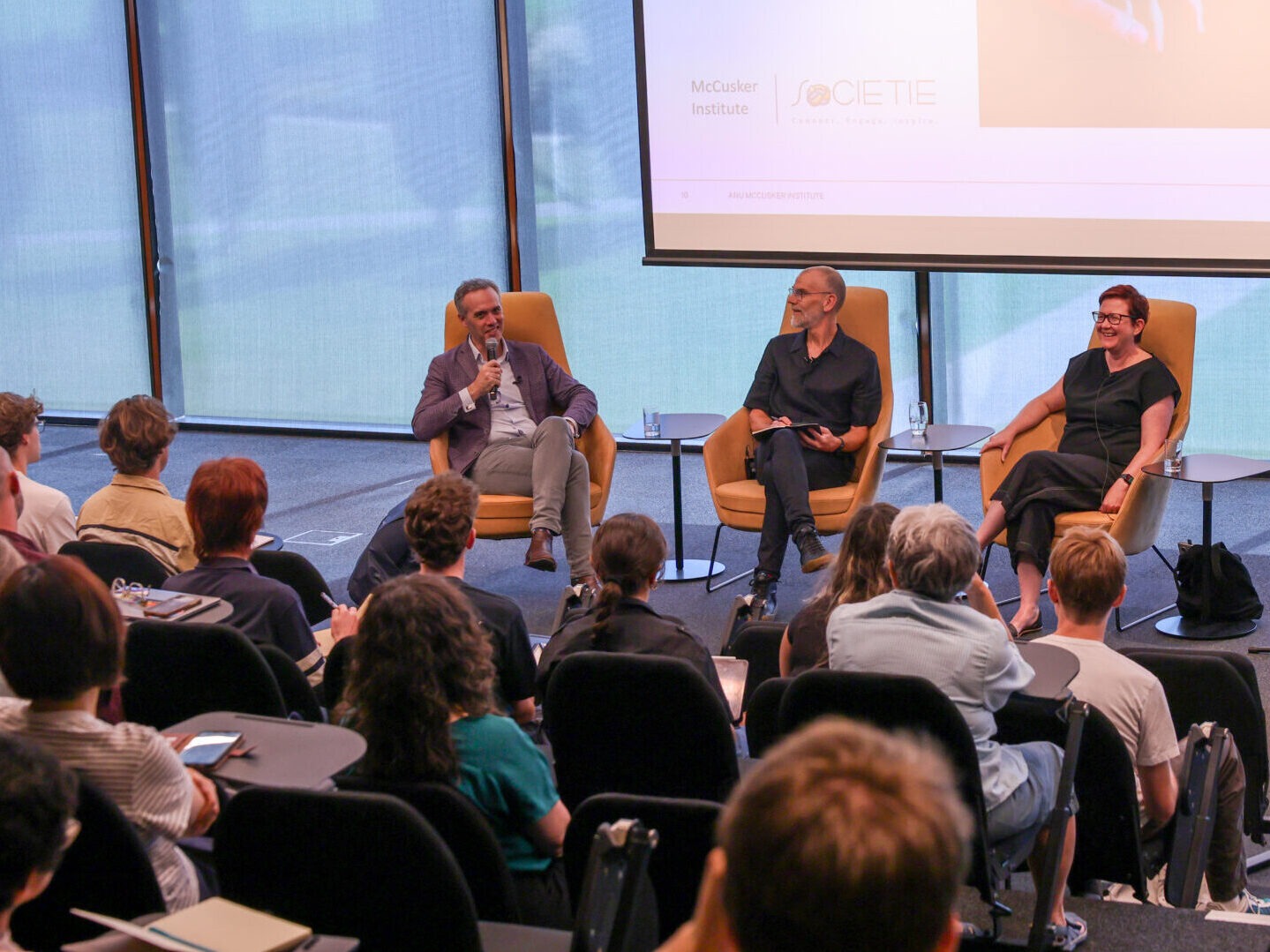
Gen AI for Social Good
The McCusker Institute’s inaugural event explored the opportunities and risks of generative AI and its role in shaping society. For ANU educators, the discussion highlighted the critical responsibility of preparing students to engage with AI thoughtfully and ethically.
Teach Critical Engagement, Not Blind Adoption : Generative AI is transforming how we learn, create, and work—but it also raises profound ethical, cultural, and environmental questions. Educators should help students go beyond technical proficiency to critically examine issues like bias, data privacy, creative ownership, and sustainability. Encourage inquiry into why and how AI systems work, not just how to use them.
Embed Interdisciplinary Perspectives in Learning : AI is not just a technological phenomenon—it intersects with law, art, ethics, and social justice. Integrating these perspectives into curricula will equip students to navigate complexity and lead responsibly. Consider assignments that explore AI’s societal impact, collaborative projects across disciplines, and discussions about regulation and governance.
Shared Prosperity and Education
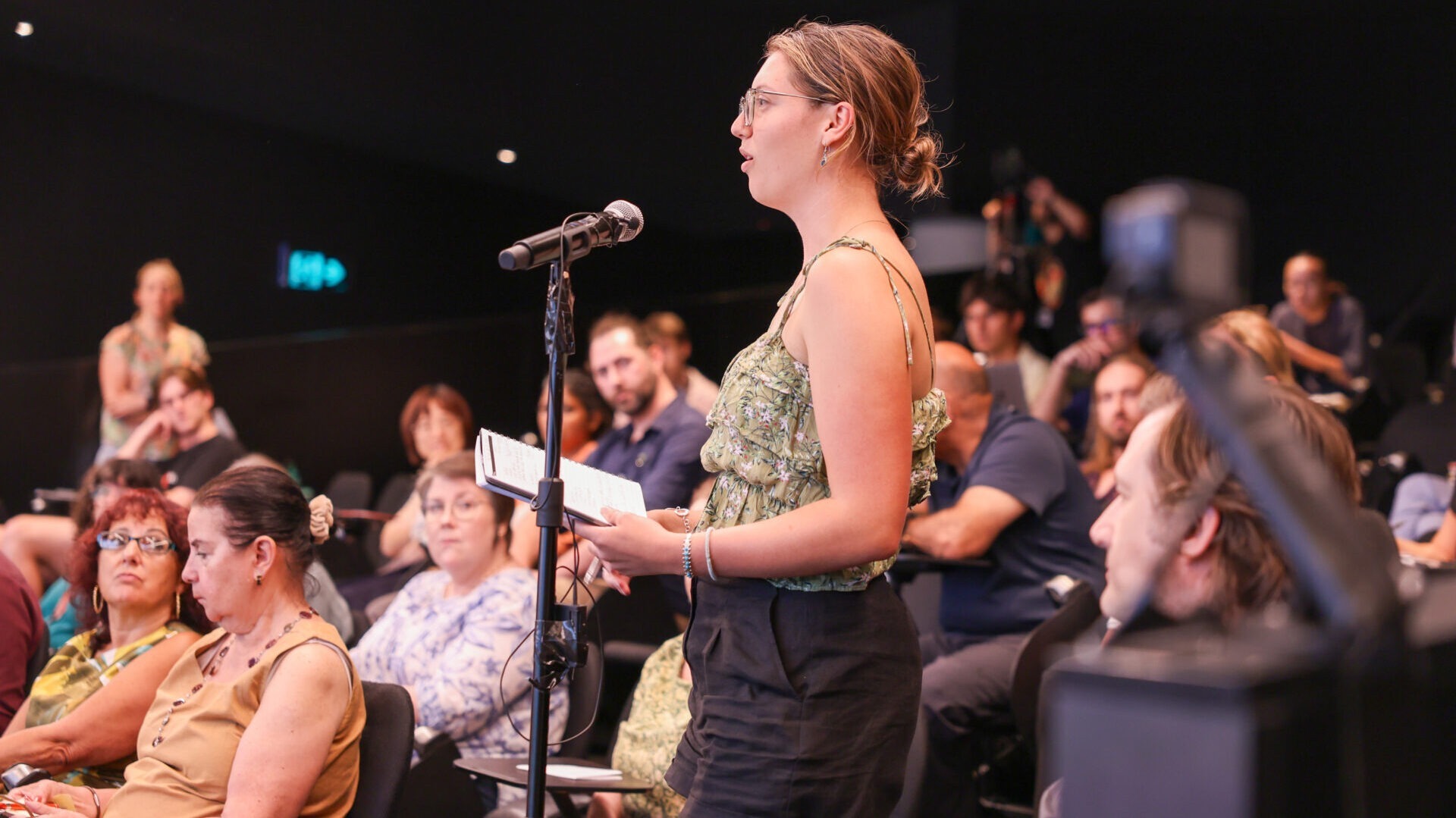
This event explored how economic systems can better serve people and planet. While the discussion centered on shared prosperity, the implications for educators at ANU are clear: universities play a critical role in shaping the next generation of thinkers and leaders who can navigate complexity and drive systemic change.
Embed Critical Thinking About Systems in Curriculum : Current economic and social challenges—housing stress, inequality, climate impacts—are deeply systemic. Educators should encourage students to ask “why” repeatedly, challenge assumptions, and explore interdisciplinary solutions. Teaching beyond technical skills to include ethical reasoning and systems thinking is essential.
Prepare Students for Ethical and Inclusive Leadership : The future demands graduates who can balance innovation with equity and sustainability. This means integrating concepts like wellbeing economies, social determinants of health, and Indigenous knowledge into learning experiences. Equip students to see themselves as change agents who can influence policy, business, and community outcomes.
“Stories of Resistance and Resilience”
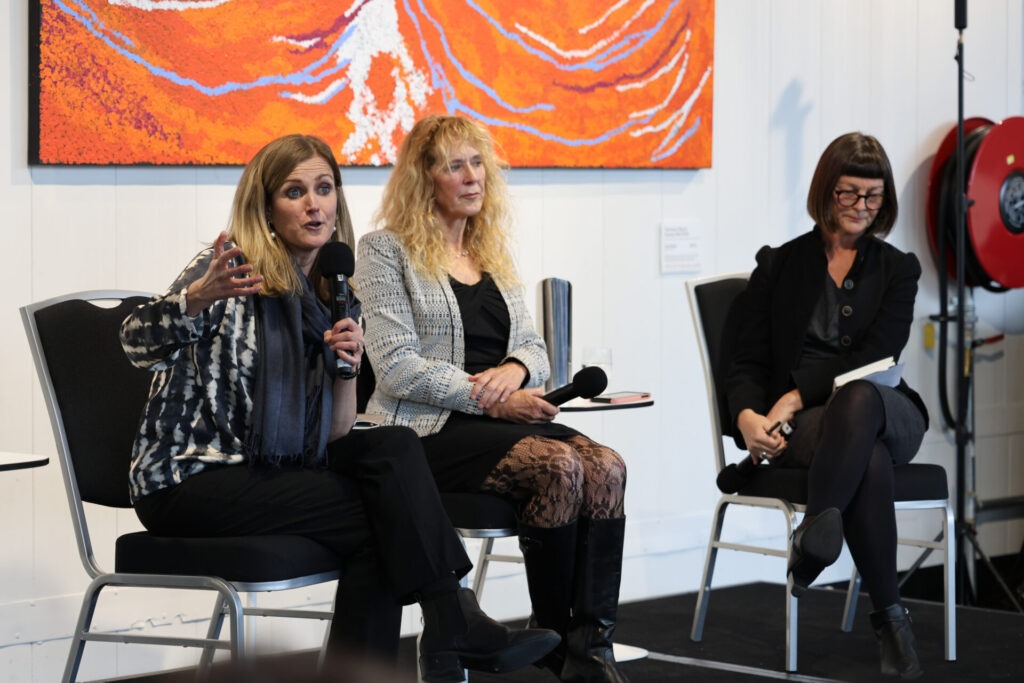
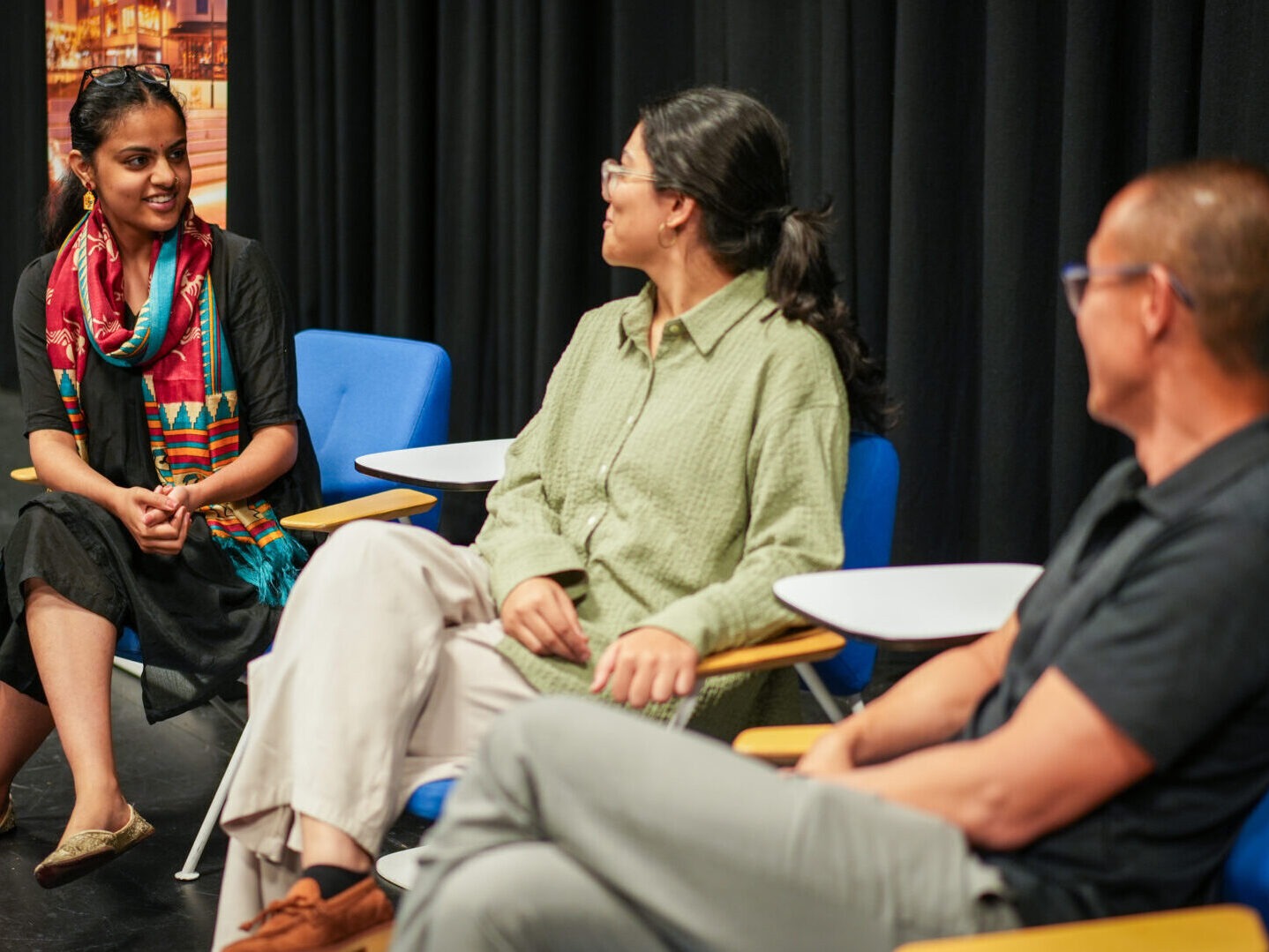
This McCusker Institute event showcased the transformative power of storytelling through the voices of award-winning writer Sabia Rasul and ANU student Ananya Banerjee. Their readings and discussion explored censorship, identity, and creative resistance, using Kashmir as a lens to examine broader questions of voice, agency, and education.
Create Space for Marginalized Voices in Learning : The session highlighted how storytelling can challenge dominant narratives and foster empathy. Educators should integrate diverse perspectives—especially those from conflict zones or underrepresented communities—into curricula. This helps students critically engage with global issues and understand the role of narrative in shaping power and identity.
Teach Creativity as a Form of Critical Inquiry and Resistance : Joy and art were framed as radical acts in contexts of oppression. For educators, this means encouraging students to use creative mediums—writing, art, music—as tools for analysis and expression. Assignments that combine research with creative output can deepen understanding of complex social and political realities.
“Learning to Learn in a Changing World”
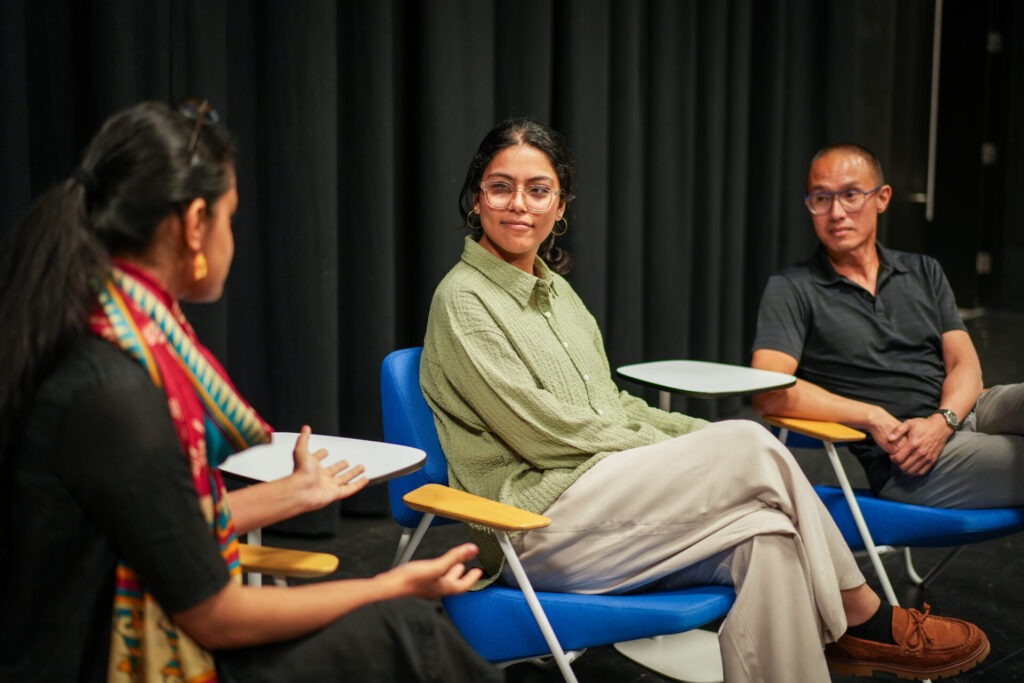
This Thought Leaders Exchange explored how education must evolve to prepare graduates for a future defined by rapid technological, social, and environmental change. The discussion emphasized that adaptability and lifelong learning are no longer optional—they are essential.
Teach the Skill of Learning, Not Just Content : In a world where 65% of job skills will change by 2030, technical knowledge alone is insufficient. Educators should embed strategies that help students learn, unlearn, and relearn—such as inquiry-based learning, reflective practice, and problem-solving in uncertain contexts. The goal is to make “learning to learn” a core graduate attribute.
Integrate Professional Skills and Industry Collaboration : Australia loses $12 billion annually due to weak education-to-work transitions. To close this gap, educators should design curricula that combine academic knowledge with applied skills—communication, teamwork, adaptability—and create authentic links to industry through internships, mentoring, and project-based learning. These experiences build confidence and contextual intelligence for real-world challenges.
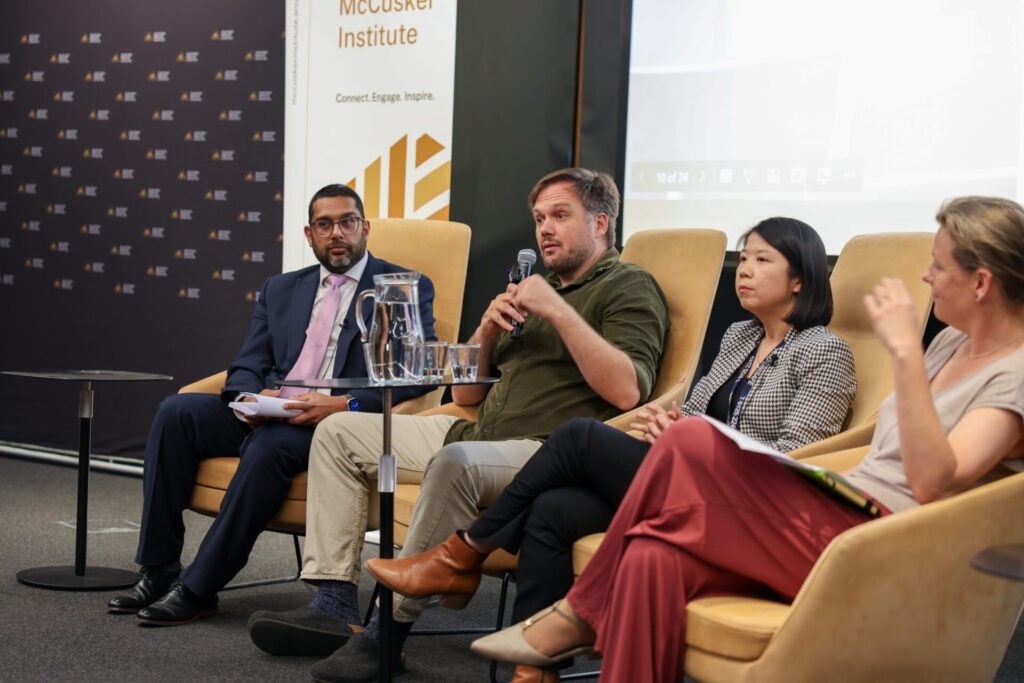
Looking Ahead with the McCusker Institute in 2026
The McCusker Institute reflects ANU’s strength in transdisciplinary education—connecting research, teaching, and practice to address complex social challenges. By fostering curiosity, collaboration, creative inquiry, and ethical responsibility, the Institute supports educators to prepare graduates not just to adapt to change, but to shape it.
ANU academics are invited to be part of this work.
Whether as a Fellow, Affiliate, Friend, or internal partner, there are many ways to contribute, collaborate, and extend the impact of your teaching and research. Join a community committed to shared prosperity, social good, and education with purpose.
👉 Get involved: Reach out to the McCusker Institute and explore how you can collaborate, connect, and lead change at ANU.