About this showcase
This Online Showcase presents student-created posters and short videos developed through ANU courses that engage with ethical, political, and social questions surrounding culture, heritage, and memory.
The works featured here reflect a scaffolded learning process in which students move through the cycle of Inform → Visit → Reflect → Create, combining academic and AI-supported research, field-based learning, and critical reflection to produce public-facing creative outputs.
This page is designed as a public platform for:
- Student exchange – enabling students to see how peers interpret complex and contested issues.
- Future student learning – offering concrete examples of creative, research-led assessment.
- Broader ANU community engagement – showcasing innovative teaching practice and authentic Humanities learning outcomes.
Teaching context and purpose
The teaching showcased here is designed to help students engage critically and ethically with contested cultural issues. Rather than approaching heritage and memory as neutral or celebratory, the courses encourage students to examine how histories are produced, governed, and contested, and how cultural narratives shape contemporary debates about justice, identity, and belonging.
Given students’ diverse disciplinary backgrounds and the emotionally charged nature of the material, the pedagogical challenge is both intellectual and ethical: to support responsible engagement with sensitive histories while developing critical thinking, creativity, and confidence.
(This teaching draws primarily on courses including HUMN8033 and HUMN8019.)
Pedagogical approach: a scaffolded learning cycle
The teaching is structured around a scaffolded learning cycle: Inform → Visit → Reflect → Create. This framework guides students from research and preparation, through experiential engagement and critical reflection, to the production of public-facing work. It provides a clear structure for navigating complex ethical, political, and social questions, while supporting responsibility, confidence, and depth of learning.
Within this cycle, exhibition-making is used as a key form of the Create stage. Students work collaboratively as co-curators to translate complex ideas into public-facing formats, negotiating questions of voice, authority, and audience. Creative practice functions as rigorous inquiry, requiring students to justify curatorial choices, reflect on ethical implications, and consider how cultural narratives are communicated in public space.
- Inform – Students draw on academic research and AI-supported tools to map key debates and ethical questions, emphasising critical inquiry and responsible use of technology.
- Visit – Students engage with places, communities, and materials through field-based learning and site encounters.
- Reflect – Students critically examine what they have seen and experienced, attending to positionality, power, and ethical implications.
- Create – Students produce public-facing outputs, including exhibitions, posters, and videos, translating complex ideas for non-specialist audiences.
This cycle foregrounds research-led, inquiry-based, and work-integrated learning. It supports ethical engagement with sensitive material and emerging technologies, and has proven effective in enhancing student confidence, critical awareness, and the capacity to communicate complex ideas beyond the classroom.
Student-Curated Exhibition Showcases
The following showcases present student work produced through this teaching approach. While the themes differ, all exhibitions are grounded in the same pedagogical commitment to critical inquiry, ethical reflection, and public engagement.
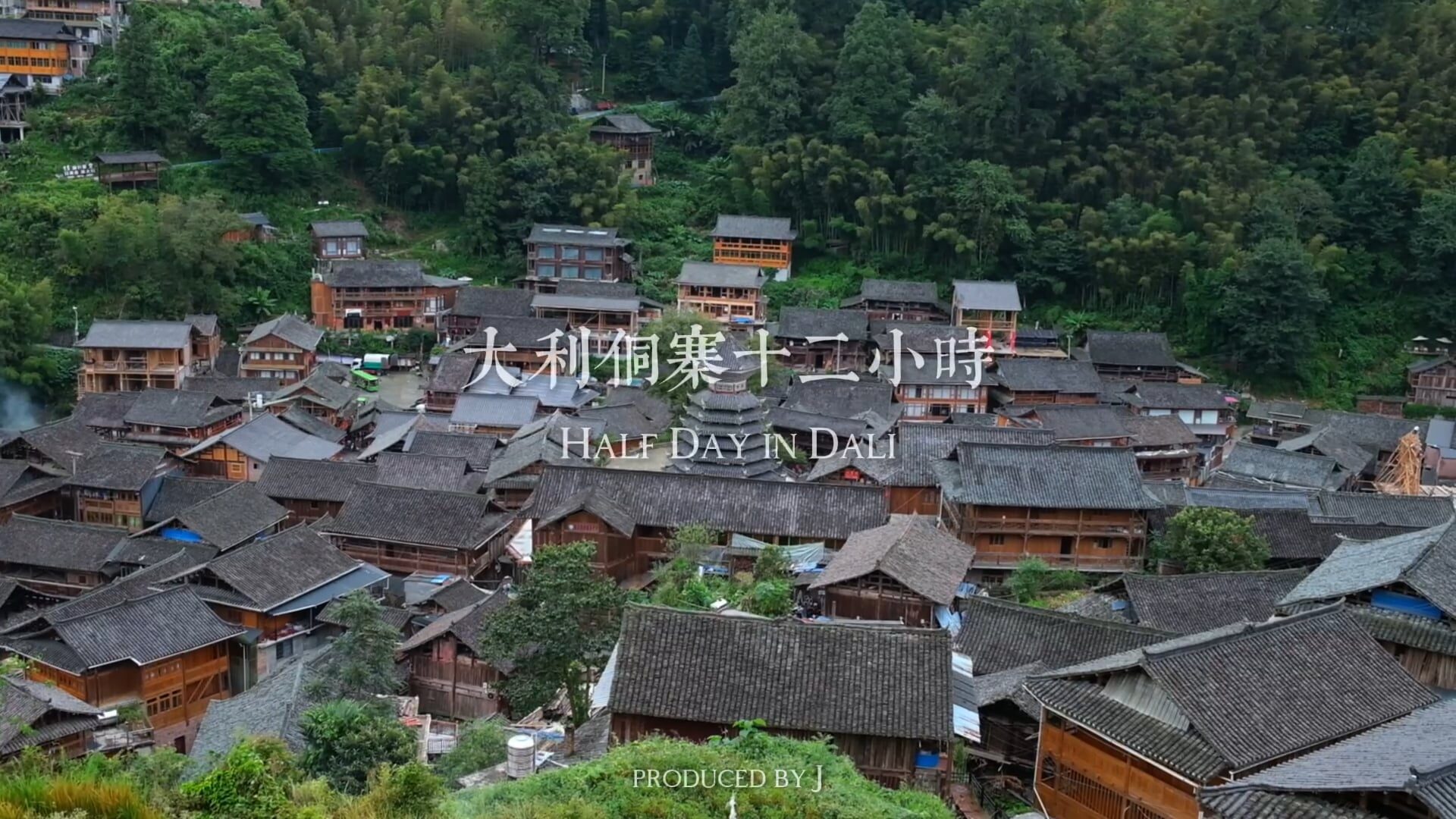
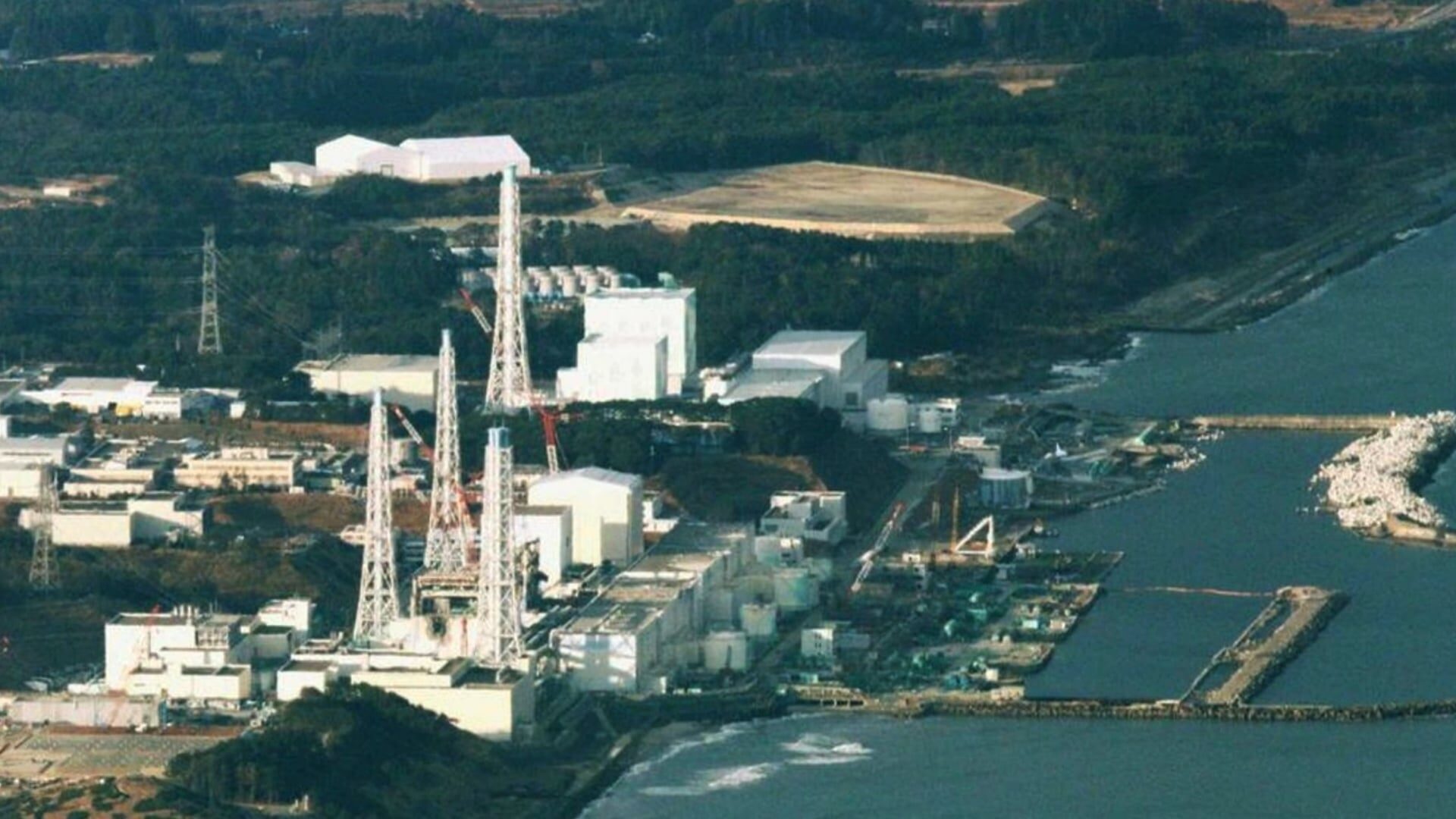
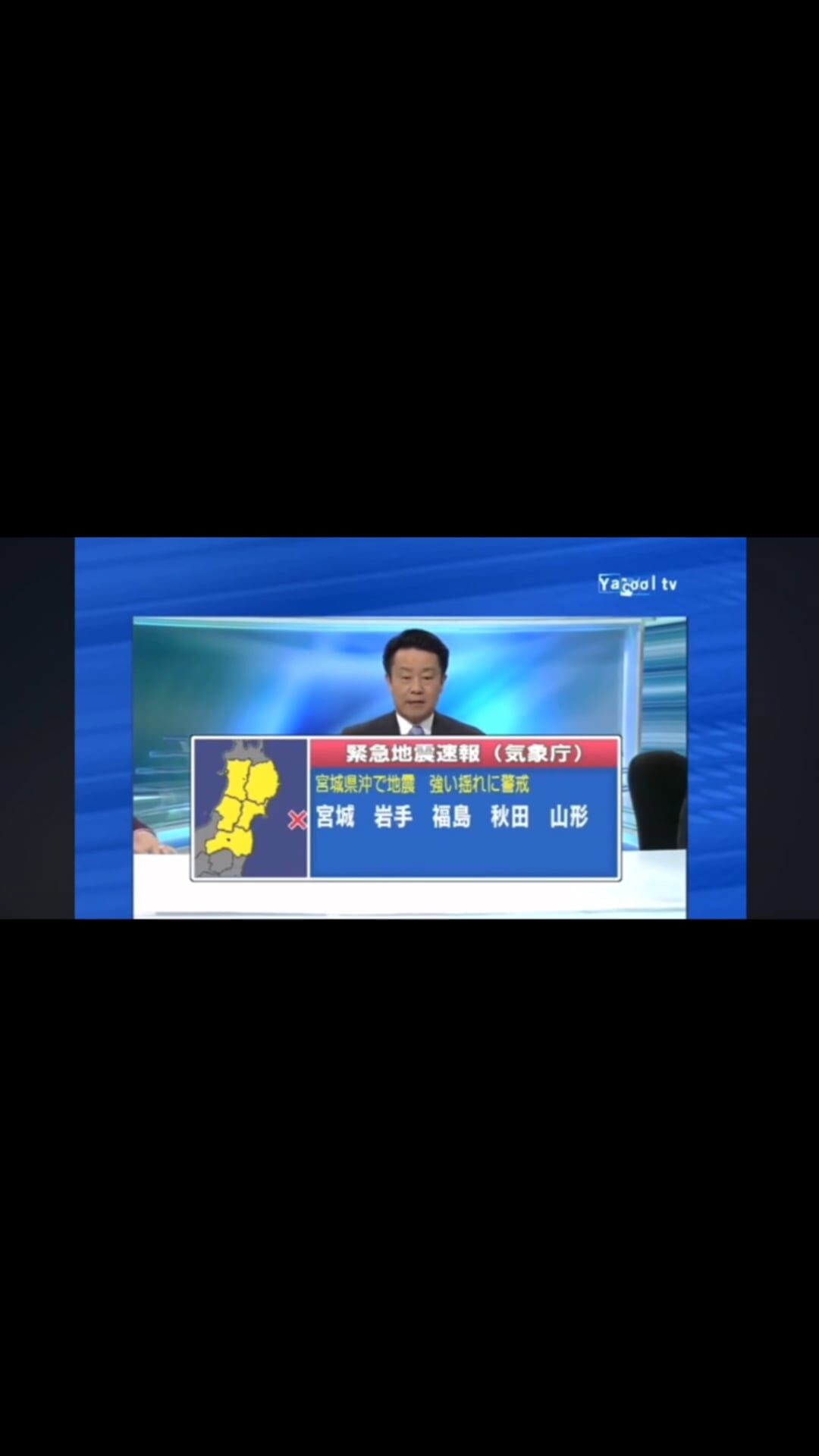
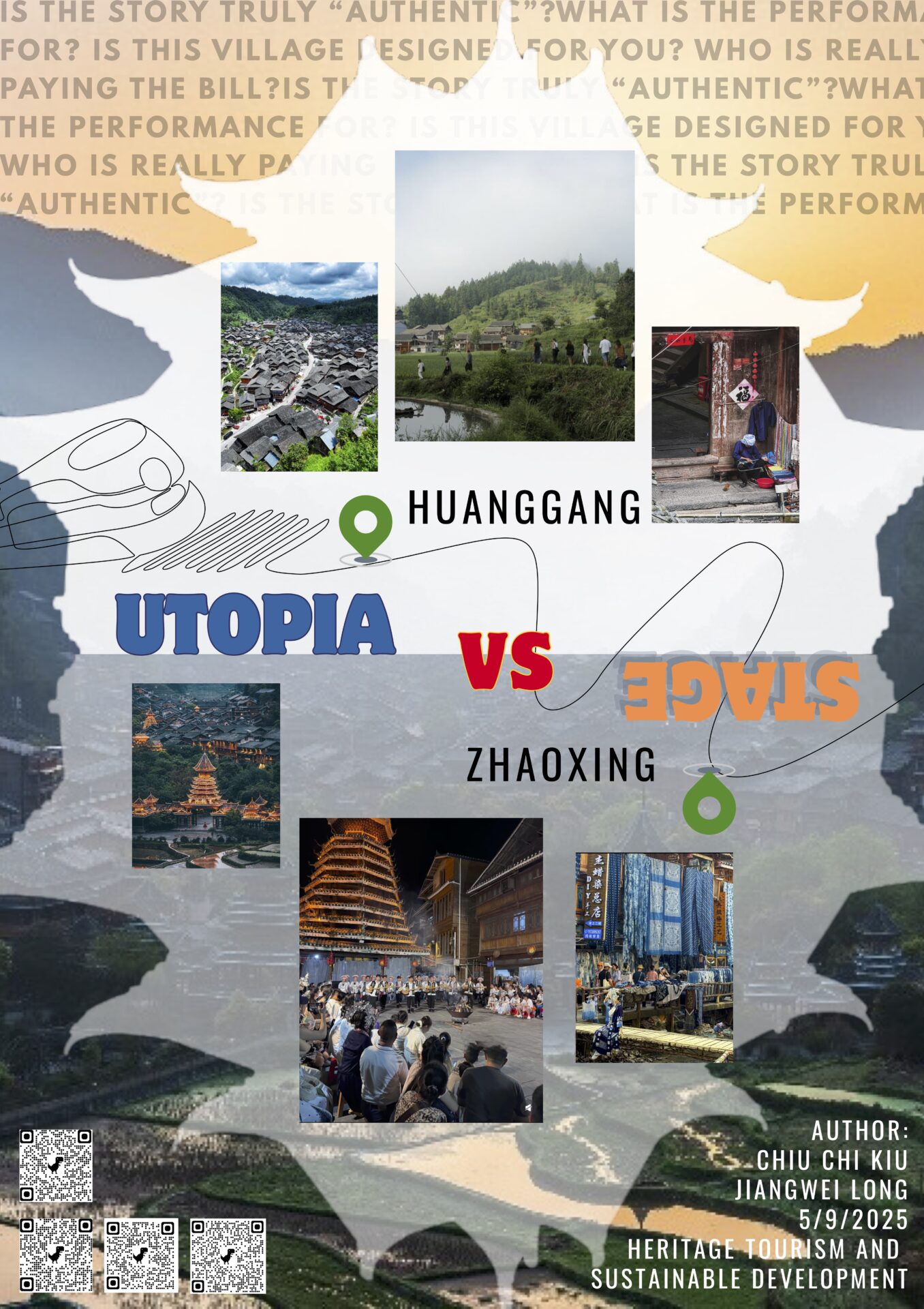
Gallery 1: reimagining heritage tourism – whose story, whose space
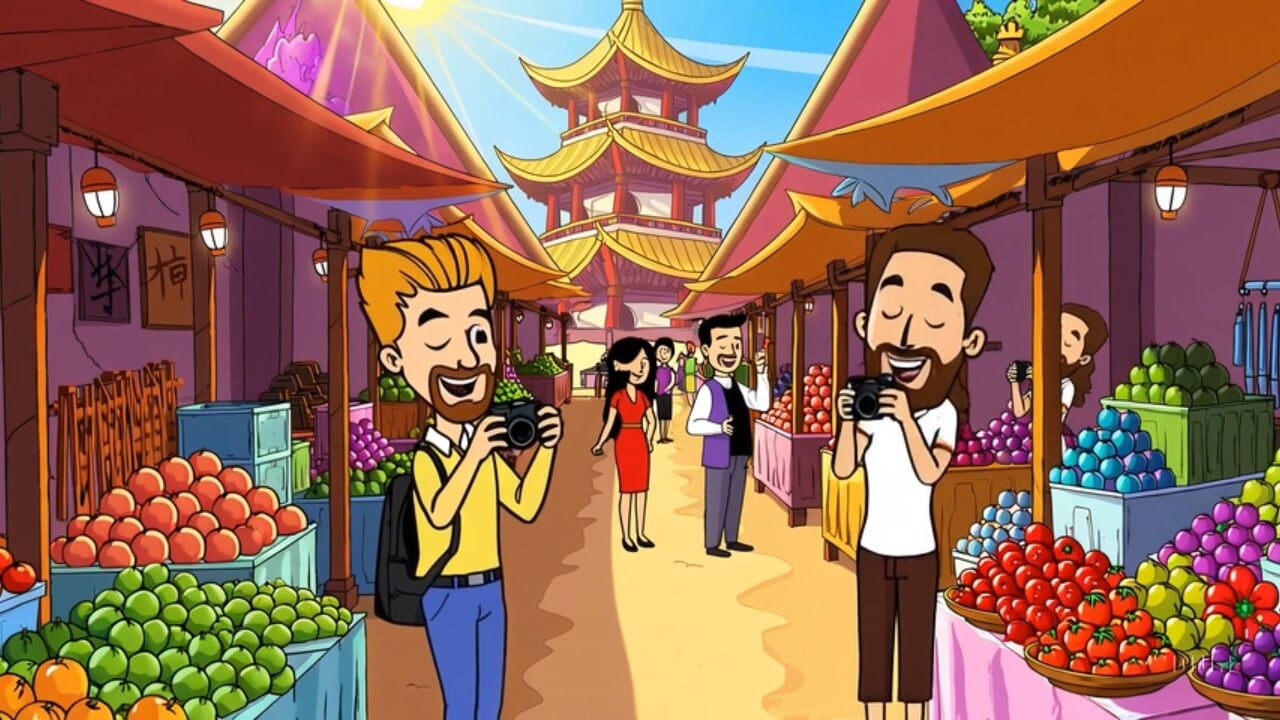
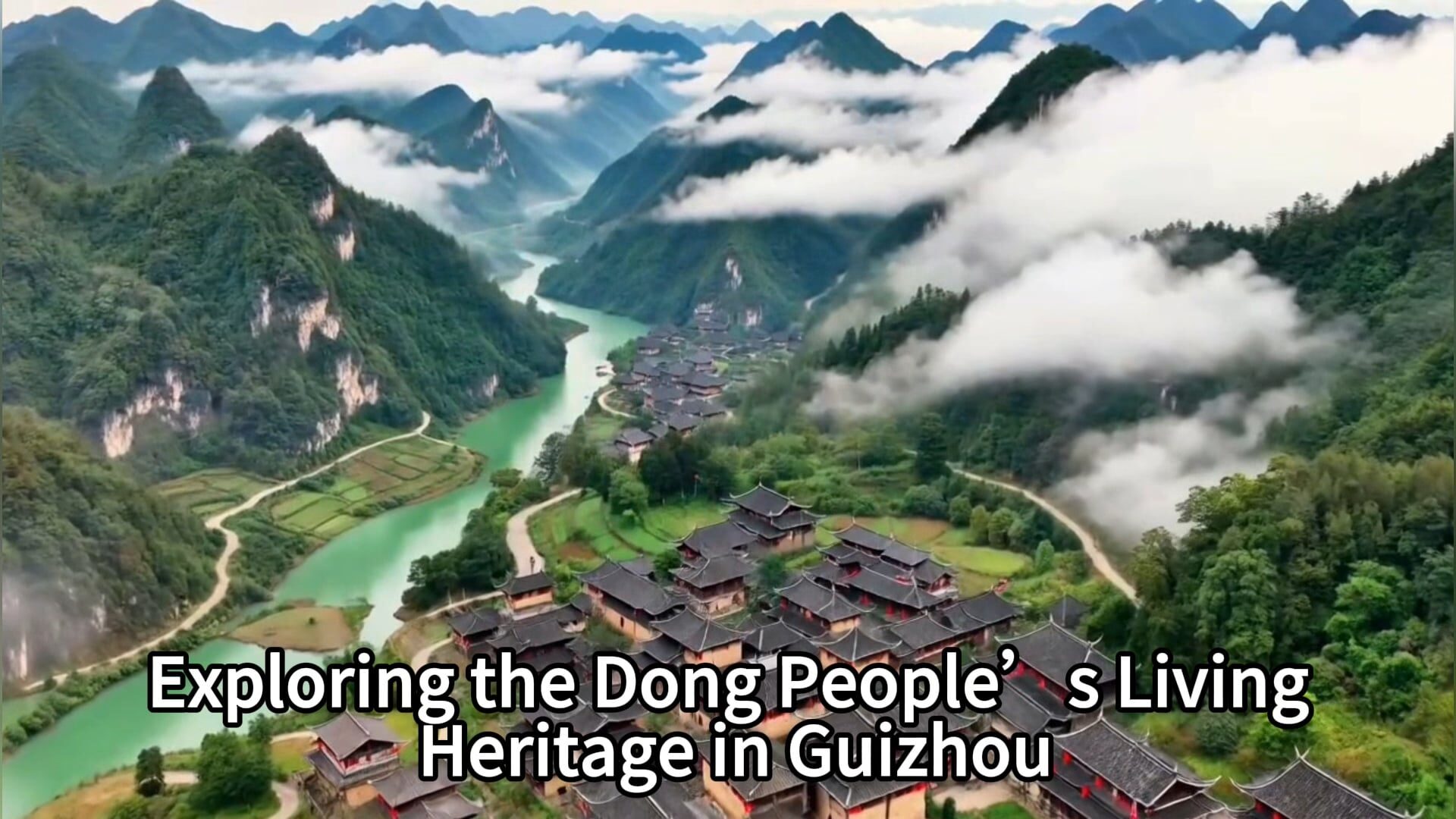



This exhibition is co-curated by students and explores the theme Reimagining Heritage Tourism: Whose Story, Whose Space. It invites critical reflection on the political, social, and ethical dimensions of heritage in tourism contexts.
The exhibition brings together collaboratively produced posters and individually created short videos, allowing students to explore shared questions through both collective analysis and personal perspective.
Through diverse case studies and creative approaches, students ask:
- Whose heritage is being presented?
- Who benefits, and who is left out?
- How are power, identity, and meaning negotiated through tourism experiences?
By engaging with these questions, the exhibition highlights the contested nature of heritage tourism and challenges audiences to consider how stories are told, whose voices are amplified, and how tourism spaces might be made more inclusive and just.
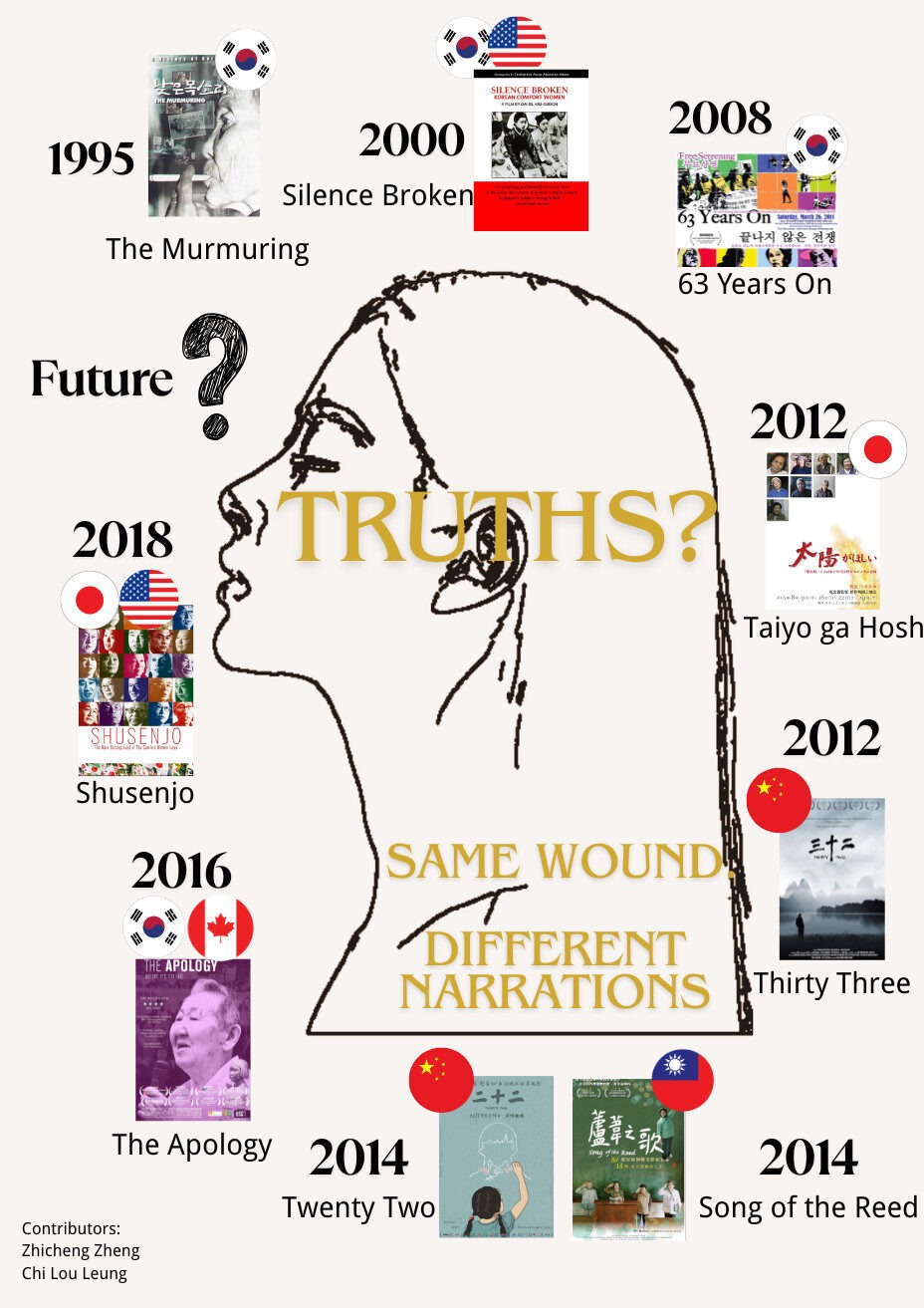
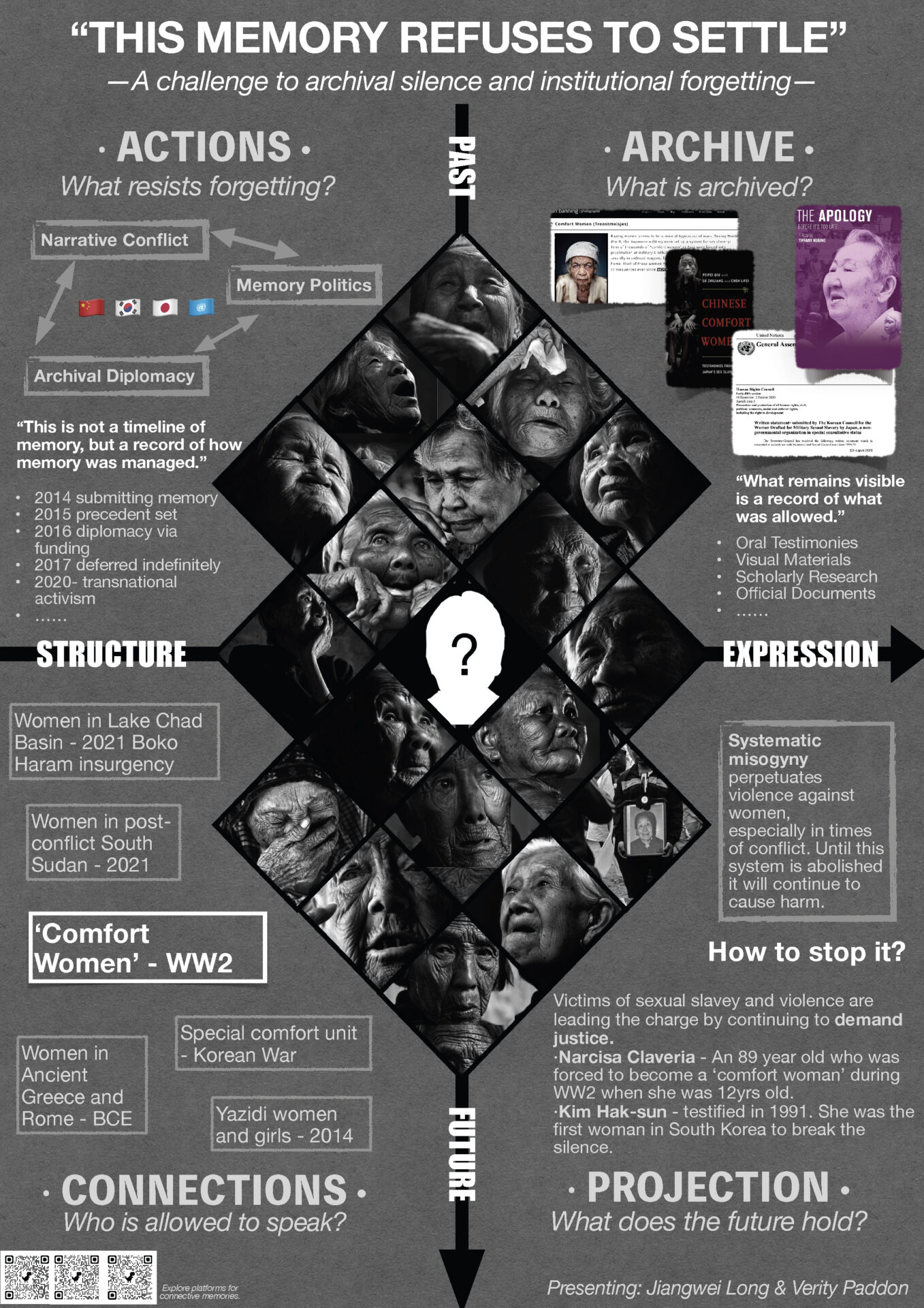
Gallery 2: transnational memory, justice, and representation
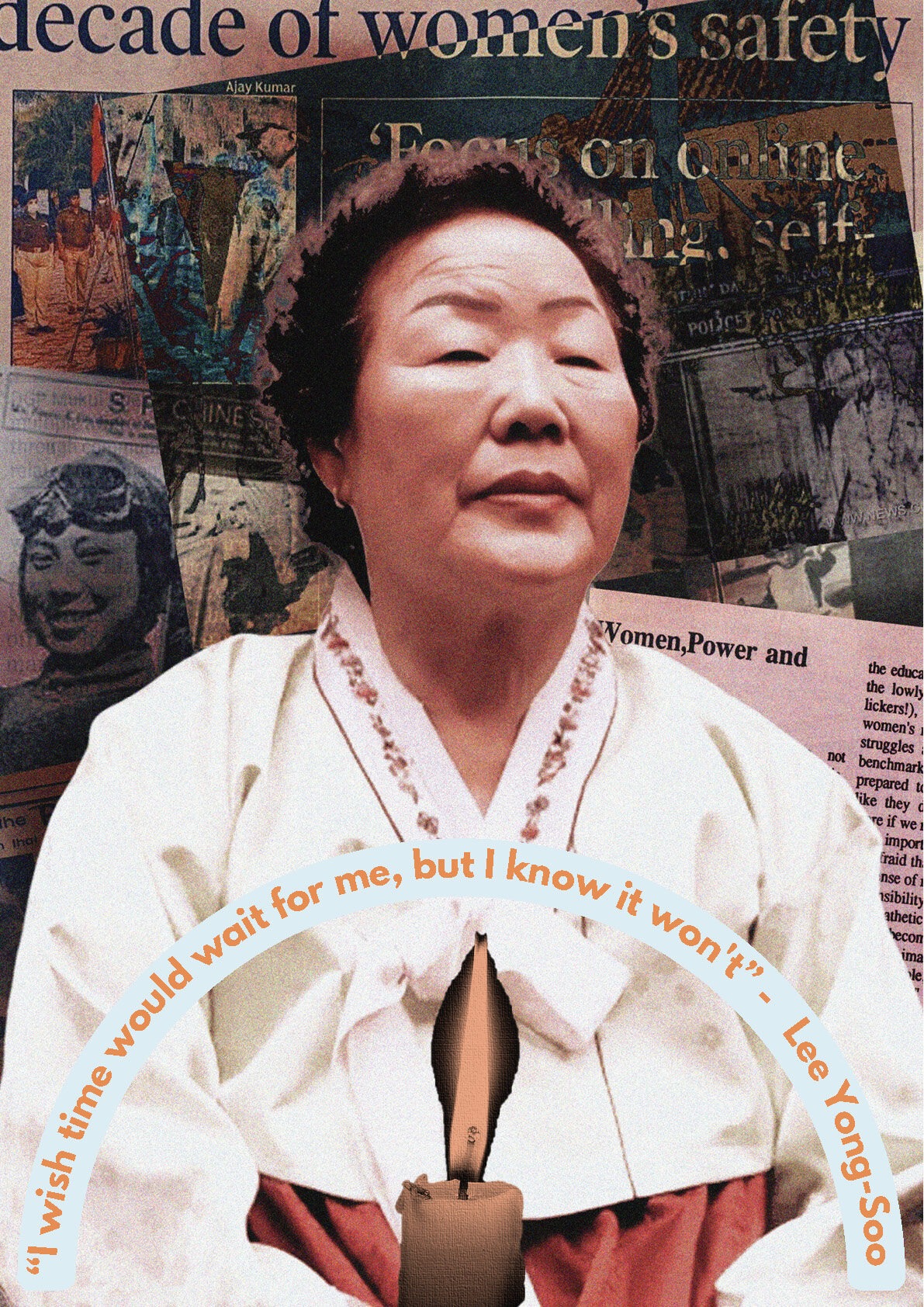
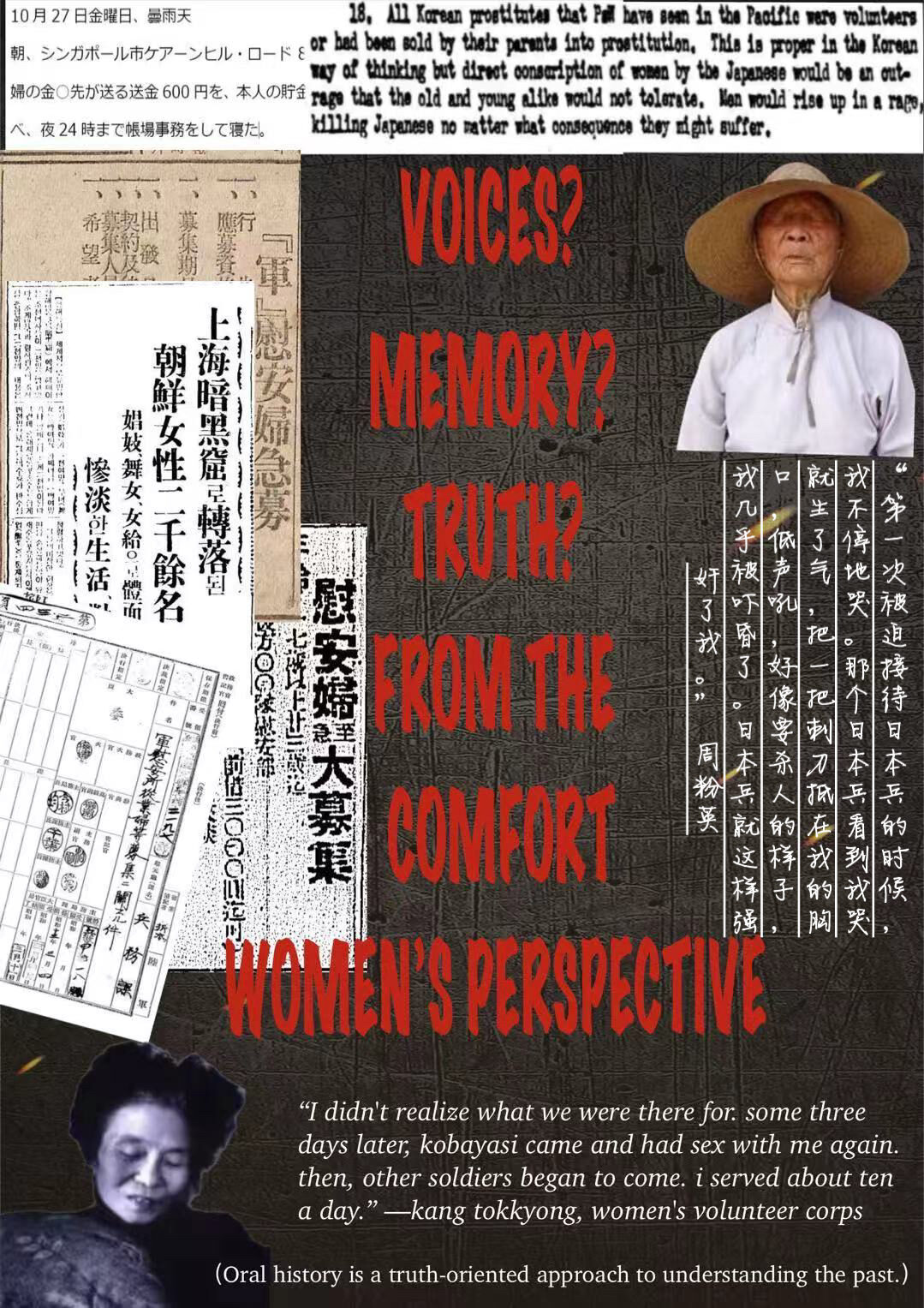
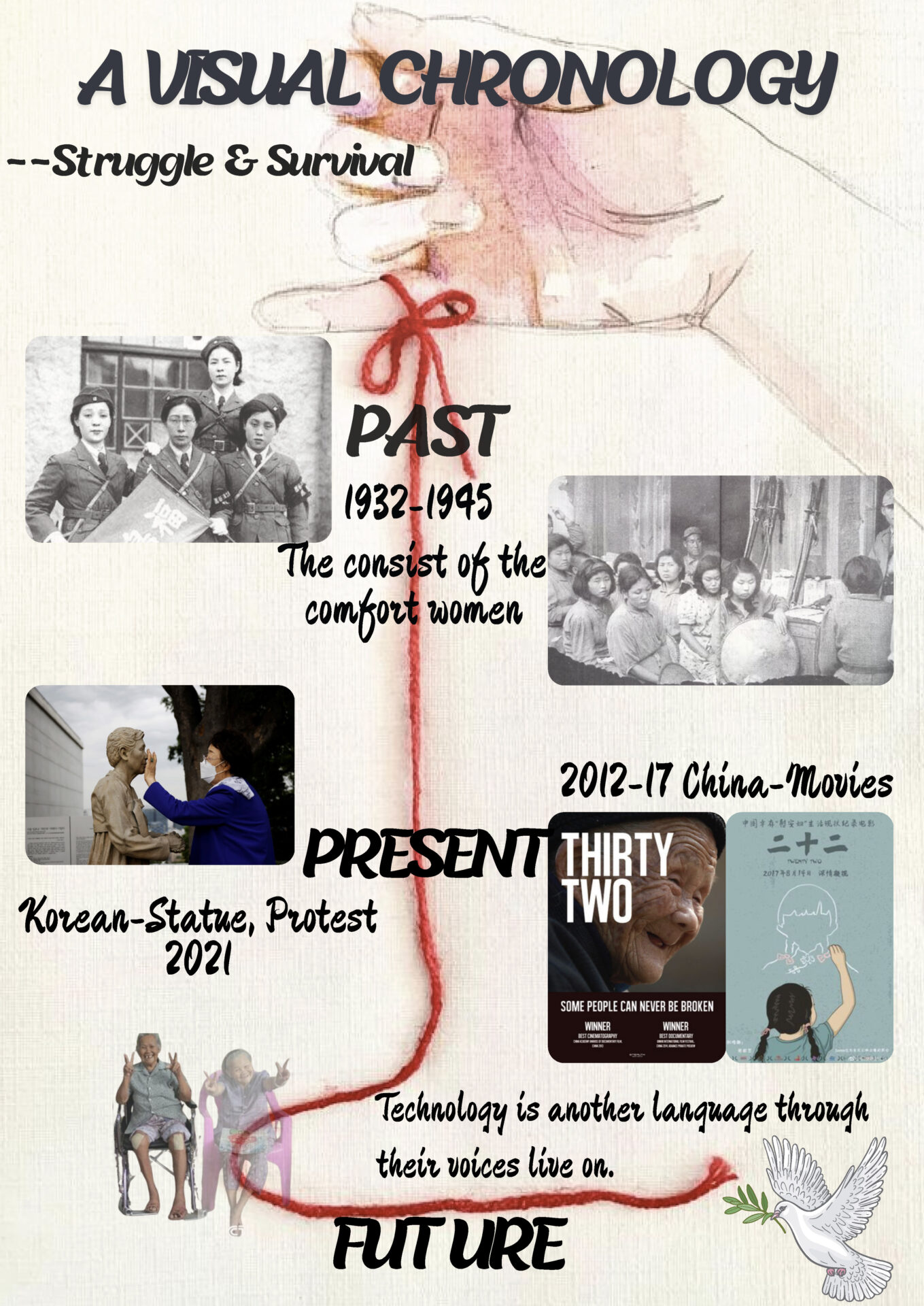
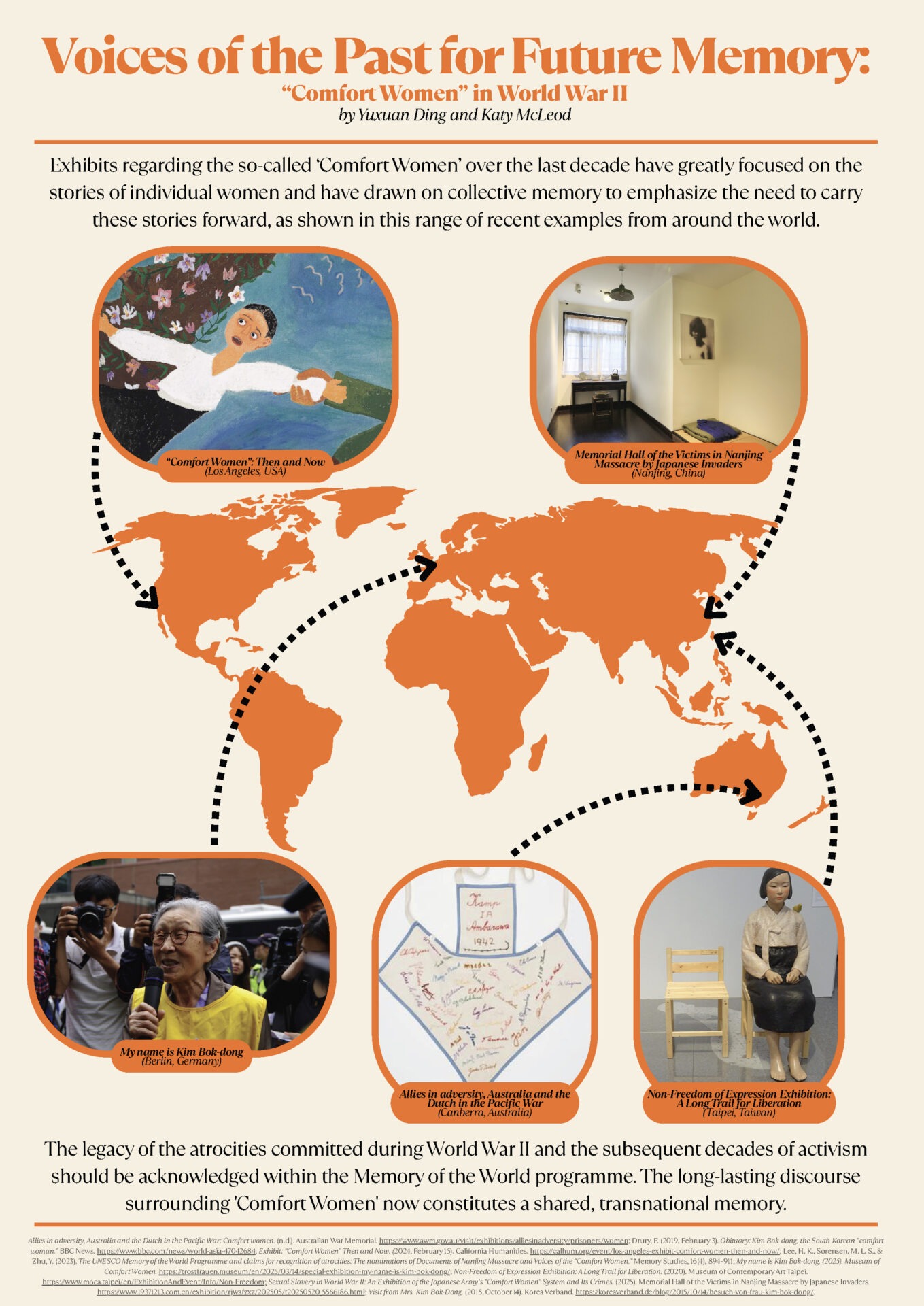
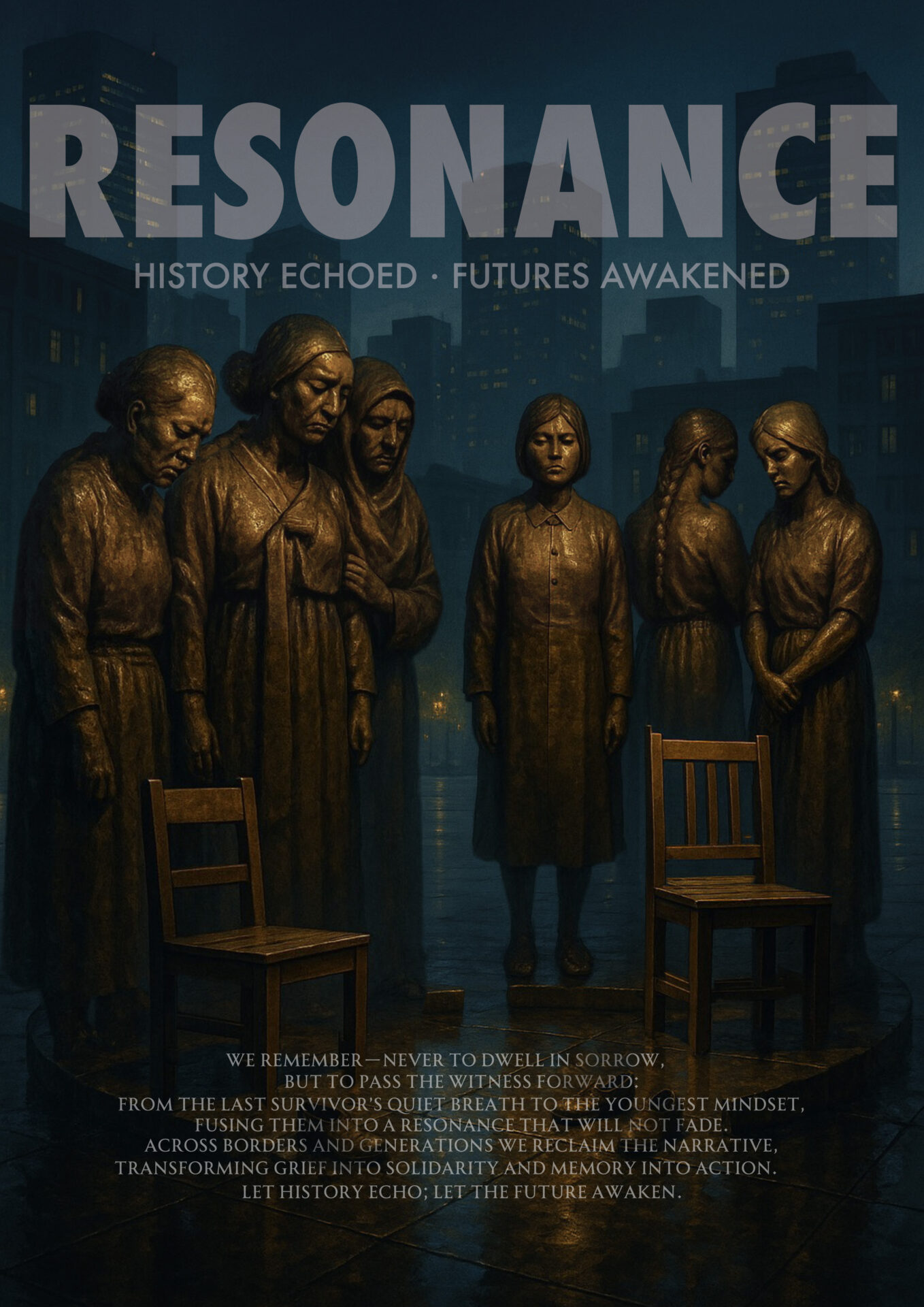
This exhibition cluster explores transnational histories of war, violence, and memory in East Asia, with particular attention to questions of justice, responsibility, and historical recognition, including gendered violence and civilian suffering in wartime contexts. Students examine how memory travels across national borders and generations, and how museums, memorials, and public narratives shape understandings of past injustice.
Given the sensitivity of the material, students are supported through guided discussion, ethical protocols, and reflective practice. The focus is not only on historical knowledge, but on how memory work is carried out responsibly in public space.
Student reflections and voices
“The creative project challenged us to communicate complex ideas in an approachable and creative format. Working in small teams helped us explore diverse perspectives and test ideas in a supportive environment. The experience strengthened my confidence in co-creation and critical thinking—and gave me real content I can share professionally.”
— Student reflection, HUMN8019 / HUMN8033 (2025)
For students and colleagues
Thinking about taking courses in culture, heritage, and memory at ANU?
This showcase offers a glimpse of the kinds of work students may create through creative, research-led Humanities learning:
• working with real-world issues and sites
• using AI critically as a research assistant rather than a replacement for thinking
• developing public-facing creative outputs that extend beyond the classroom
• joining a community of practice grounded in collaboration, ethics, and critical inquiry
Educators interested in adapting similar approaches are welcome to draw inspiration from the project structure and student outputs, with appropriate acknowledgement.
About Course Convener

Yujie Zhu is a researcher and educator who brings a critical, interdisciplinary, and future-oriented lens to the study of heritage, memory, and social transformation. Trained in anthropology, with a PhD from Heidelberg University, Germany, his work investigates how heritage and narratives of the past are constructed, contested, and mobilised to shape governance, identity, and state–society relations across diverse cultural, political, and spatial contexts.
His research focuses on the politics of heritage in East Asia, with particular attention to memory politics, conflict and reconciliation, religious spaces, and the political economy of tourism. His broader aim is to reconceptualise heritage as a field of critical inquiry and ethical engagement—one that links local practices with global debates and connects past injustices with future possibilities.
Yujie is the author of five books, co-editor of four edited volumes and four special issues, and has published more than 60 peer-reviewed journal articles, book chapters, and policy reports.
Yujie’s teaching, recognised with the Vice-Chancellor’s Award for Teaching Excellence, is distinguished by its integration of Indigenous knowledge and Country-led ethics, developed with First Nations experts and the National Museum of Australia.
Acknowledgment
The exhibition was designed and co-curated by: Rita Chen, Yixuan Chco-en, Sophia Childs, Chi Kiu Chiu, Yuxuan Ding, Yanxin Jin, Tsz Kwan Lau, Chi Lou Leung, Jiangwei Long, Katy McLeod, Verity Paddon, Yushan Zhang, Zhicheng Zheng, and Xilin Zhu.